





tel
 +41 22 880 28 88
 +33 1 41 69 88 88 (Paris)
 +352 26 20 25 53 88
 +971 55 303 5161
 +66 92 372 4680
Select your language


Turboprop Charter
A turboprop is not a downgraded jet, it is a different tool. On sectors under ninety minutes, the time lost in cruise is often recovered on the ground.
Why the cruise speed matters less than you think
These aircraft reach runways no jet can use, including unpaved and mountain strips. On a short sector, landing thirty kilometres closer to your destination saves more time than flying eighty knots faster, and it does so at a lower hourly rate.
The right question is therefore not turboprop or jet, but which runway you need to use, and how long the sector is. Our teams answer it route by route rather than by category.
The turboprops IBC Aviation charters
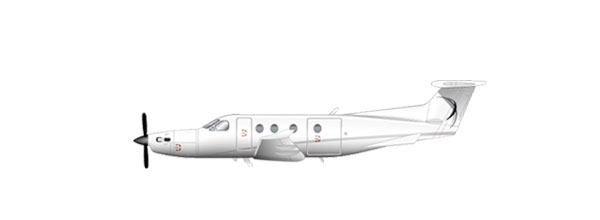
- Pilatus PC-12, single engine, a wide cabin and a cargo door, the reference of the category
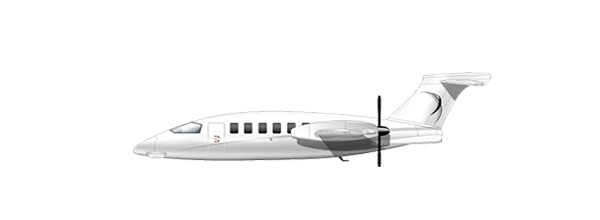
- Piaggio Avanti, twin engined and the fastest turboprop in service, with a cabin close to a light jet
Hourly price
Turboprop charter is the most economical option we broker, below the very light jet bracket of EUR 3,500 per hour. Aircraft, crew, fuel, ground handling and navigation charges are included. De-icing, additional passengers, special catering, wi-fi and airport opening outside published hours are charged separately.
See our full pricing guide for the hourly brackets of every category.
Where it beats a jet, and where it does not
It beats a jet on regional sectors of up to two or three hours, on short or unpaved runways, on mountain airfields, and on island destinations with limited infrastructure.
It loses on anything longer, where cruise speed compounds. Above two hours, compare with the very light and light jet categories.
Frequently asked questions
Is a turboprop slower than a jet?
In cruise, yes. On the whole journey, often not. A turboprop reaches short and unpaved runways closer to your destination, and on sectors under ninety minutes the time saved on the ground usually exceeds the time lost in the air.
Which turboprop is the fastest?
The Piaggio Avanti, twin engined, is the fastest turboprop in service, with a cabin close to a light jet.
Can a turboprop land on an unpaved runway?
Yes, which is the main operational reason to charter one. It opens mountain strips, island airfields and unpaved runways that no jet in our fleet can use, with the exception of the Pilatus PC-24.
Turboprops
-
6/73h270041.75
-
6/84h280041.47
The IBC Aviation spirit

Reactivity

Availability